AI and Job Security: What HR Won’t Tell You
Everyone keeps asking about AI and job security, wondering if AI is going to take their job.
After more than a decade in HR, I think we’re asking the wrong question.
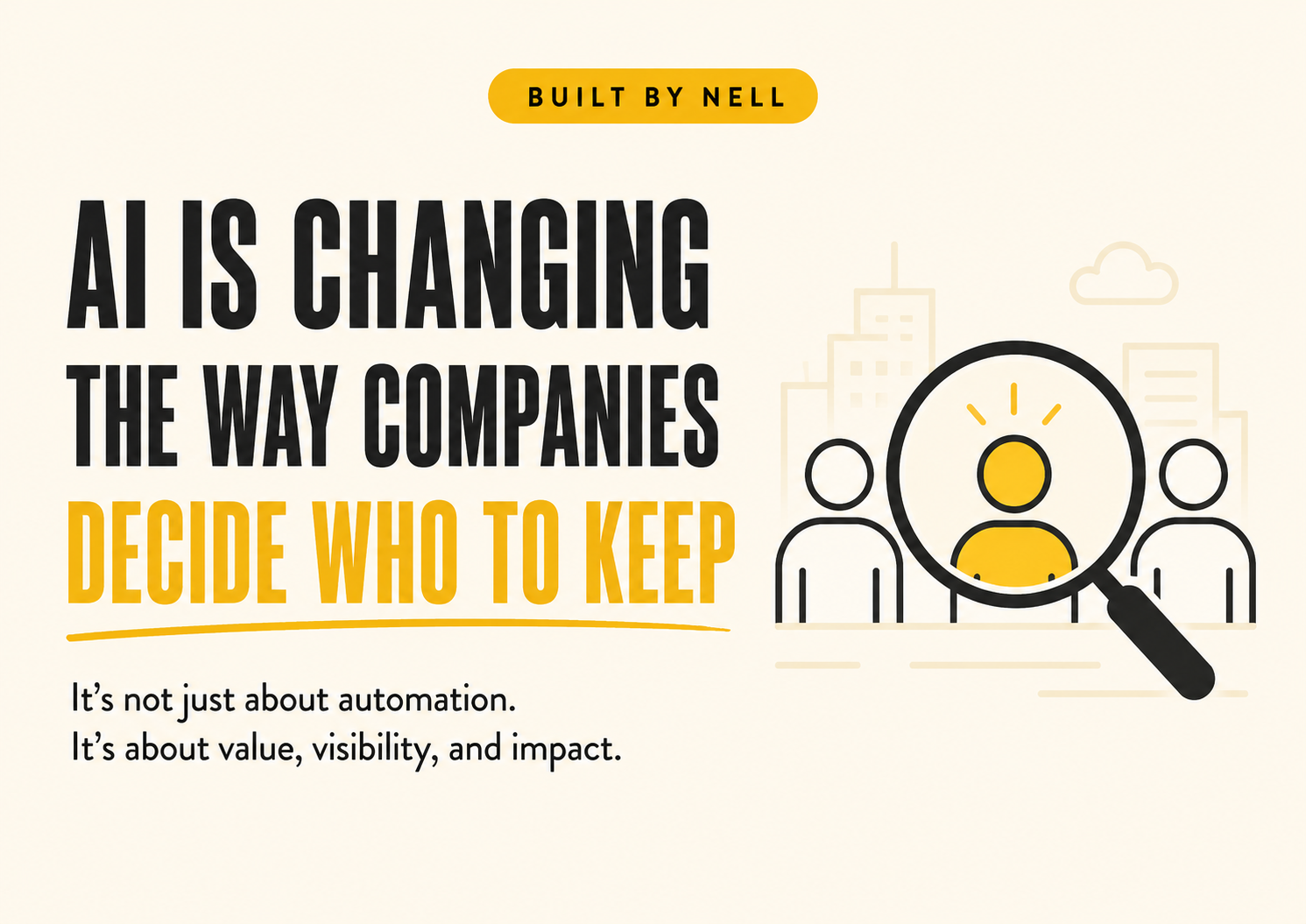
The bigger shift isn’t whether AI replaces you. It’s how AI is quietly changing what companies expect from you, and who they decide to keep.
AI doesn’t have to replace your entire job to put it at risk. It only has to convince your company that fewer people can do more.
That distinction matters more than any headline about job losses.
Why I’m Watching This Closely
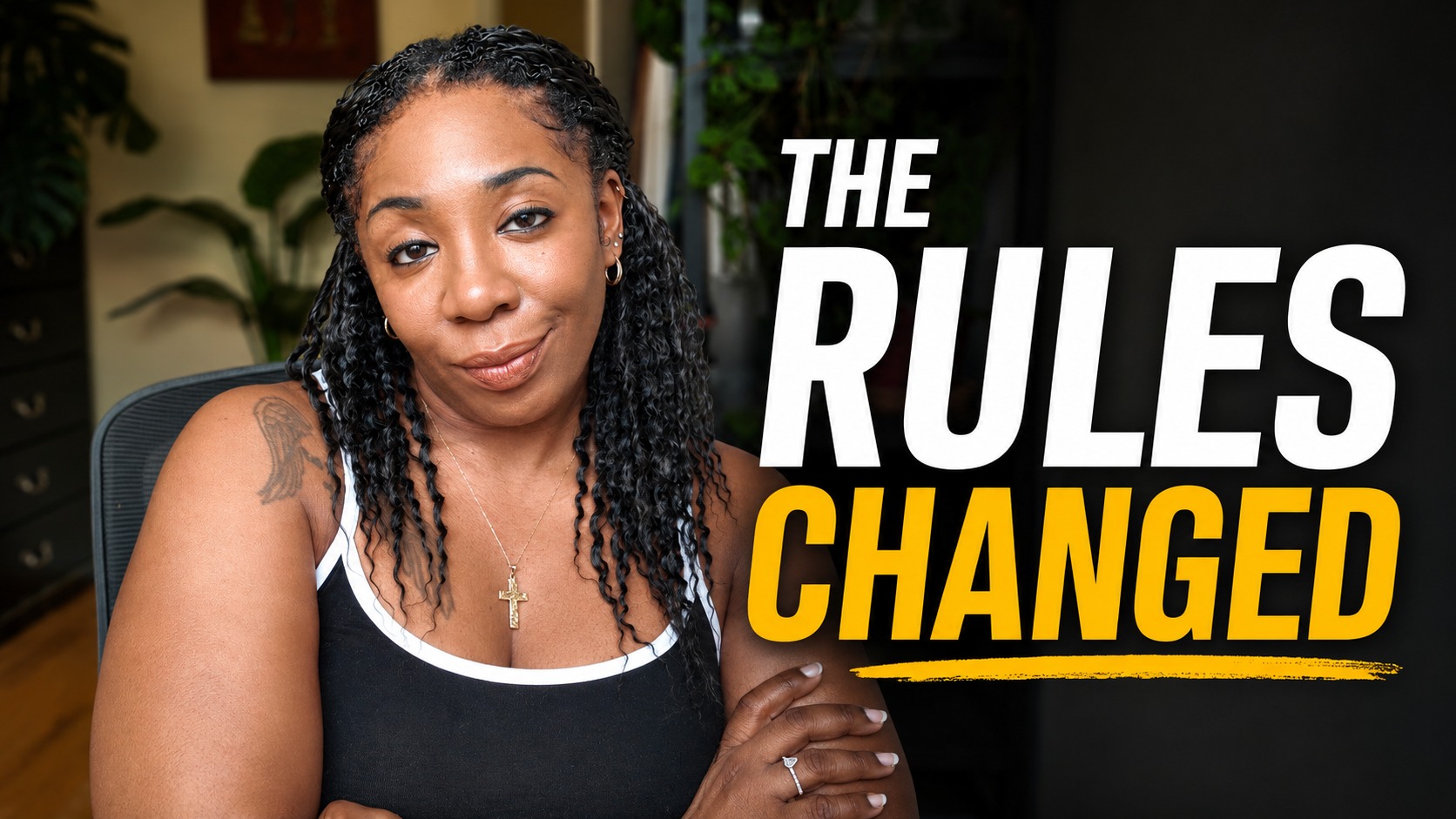
I’ve spent more than a decade working in HR, and I’ve learned that some of the biggest changes at work happen long before employees realize they’re happening.
When I was laid off, it forced me to see something clearly. Depending entirely on one employer is riskier than most of us want to admit. If a company can eliminate a role, redistribute the work, or expect one person to cover what used to take two, then building additional skills and income streams stops feeling optional and starts feeling necessary.
That’s one of the reasons I stopped ignoring AI and started learning how to use it before I had no choice.
🎥 Prefer to watch? Here’s the full breakdown:
AI in the Workplace Isn’t Just About Automation
Most conversations about AI in the workplace focus on tasks. Can it write the email, build the spreadsheet, draft the report. That’s the easy part to see, so it’s the part that gets covered.
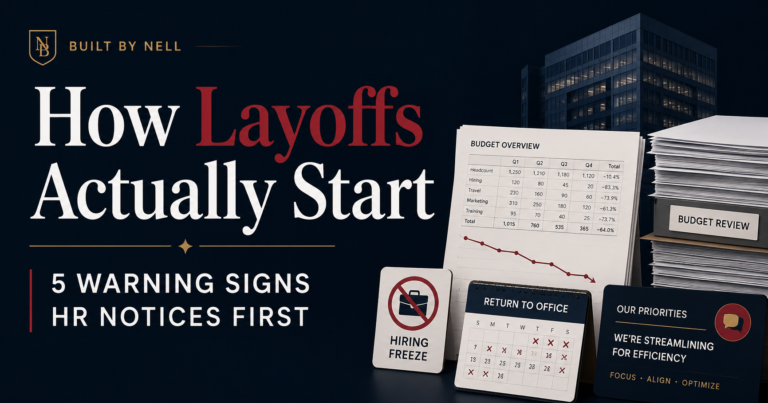
The part that doesn’t get covered is what happens in planning meetings you never sit in on. Headcount decisions. Whether a role gets backfilled when someone leaves. Whether one person’s job quietly expands to cover what used to take two people. None of that requires AI to “replace” anyone. It just requires AI to make it easier to justify not filling a seat.
This is where AI and job security actually intersect, and it’s a much quieter process than the doomsday version people picture.
How AI Is Changing What Companies Consider Valuable
Here’s the part that affects you directly, whether you work in a corporate office, run your own business, or freelance for a living: the bar for “good at your job” is moving.
It used to be enough to be competent, reliable, and easy to work with. Those things still matter. But companies are increasingly layering something else on top: are you visibly using the tools that make you faster, and can you show it.
This isn’t a new phenomenon dressed up in AI language. Visibility and perception have always mattered more than people want to admit at work. What’s new is that AI fluency is becoming part of that visibility calculation, often without anyone officially announcing it as a requirement.
That’s the uncomfortable truth about AI productivity expectations right now. They’re rising, quietly, and nobody is sending a memo when they do.
This Isn’t Just a Corporate Problem
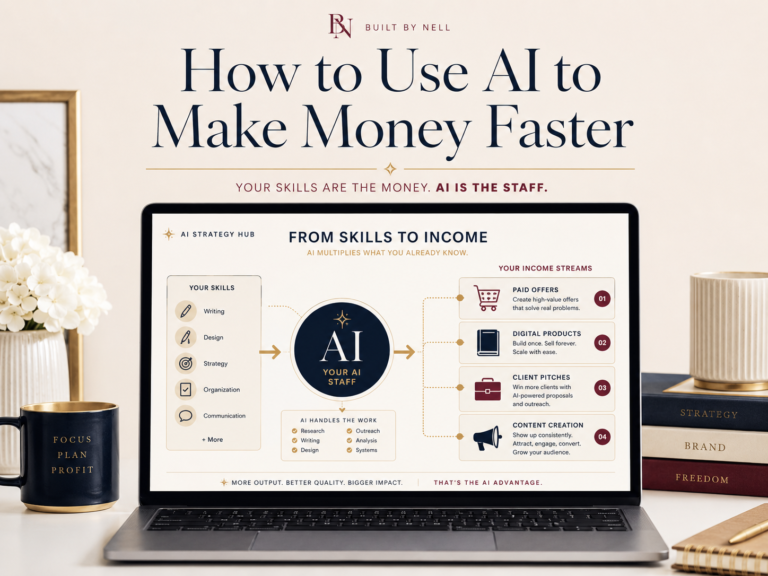
This shift isn’t limited to people with a corporate badge and a manager. Creators, freelancers, consultants, and small business owners are living a version of this too. AI is letting one person produce more content, test more ideas, and run more of a business without needing to hire a bigger team to do it. Your job doesn’t have to be inside a company for this shift to apply to you.
What the Data Actually Shows About AI and Job Cuts
I don’t think fear-based content serves anyone, so let’s look at what’s actually documented instead of what’s implied by scary headlines.
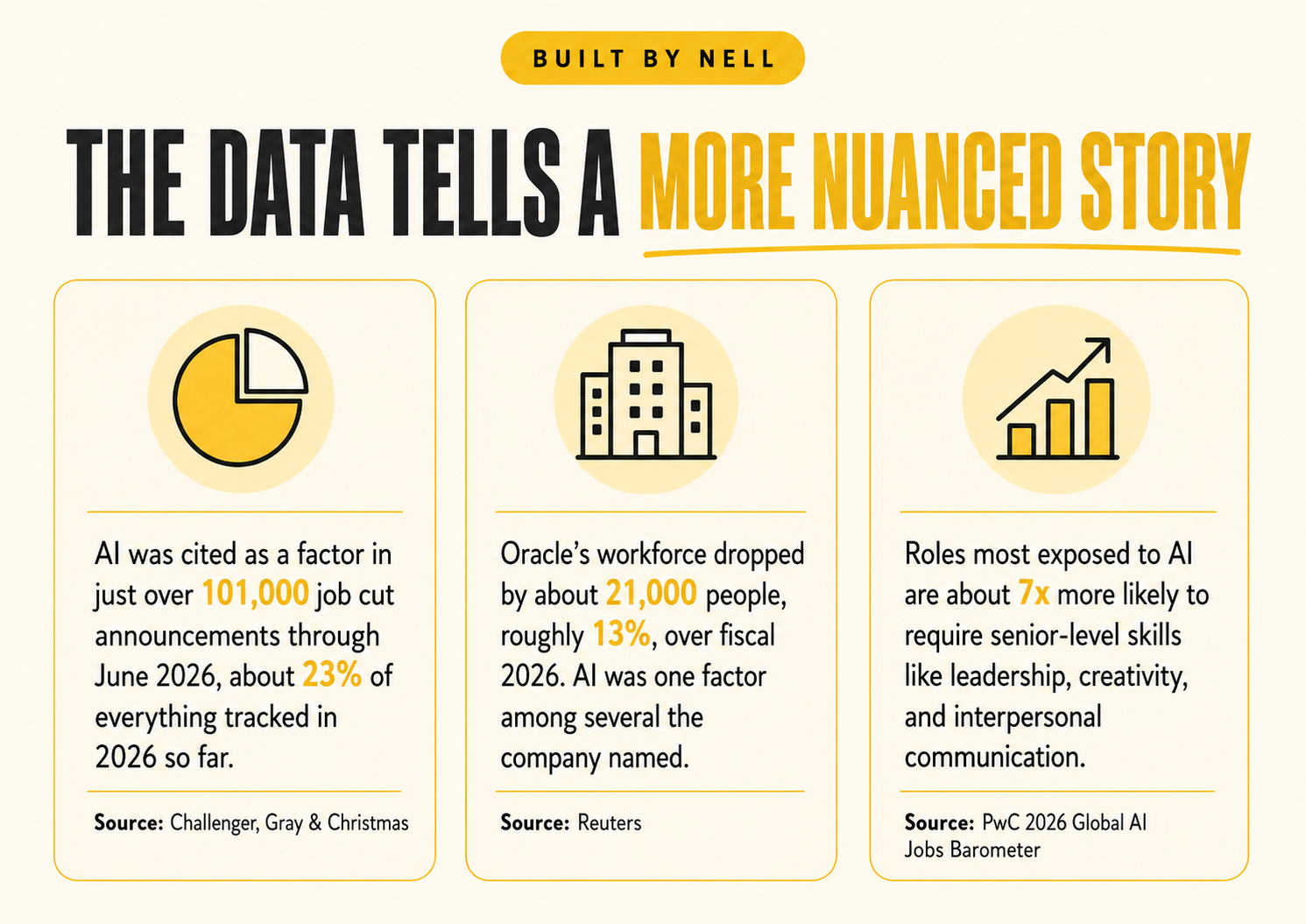
Challenger, Gray & Christmas, the firm that has tracked job cut announcements for decades, reported that AI was cited as a factor in just over 101,000 job cut announcements through June of this year, about 23 percent of everything they tracked in 2026 so far. That’s an important distinction: cited as a factor, not the sole cause. Companies list multiple reasons in these announcements, and AI is one of several.
Oracle is a useful real-world example of exactly that nuance. Reuters reported that Oracle’s total workforce dropped by about 21,000 people, roughly 13 percent, over fiscal 2026. Oracle itself pointed to several contributing factors: management and product changes, performance issues, strategic shifts, acquisitions, and AI adoption across its operations. It would be inaccurate to say AI alone caused that number. It’s one factor among several the company actually named.
On the other side of this, PwC’s 2026 Global AI Jobs Barometer, which analyzed more than a billion job postings across 27 countries, found something worth paying attention to: roles most exposed to AI are now about seven times more likely to require skills that used to be reserved for senior staff, things like leadership, creativity, and interpersonal communication.
Put those together and you get a much more accurate picture than “AI will take your job.” The real story is that AI is one factor in a broader restructuring trend, and it’s simultaneously raising the bar for the human skills that AI still can’t replicate.
The Real Risk Isn’t What You Think
If the headlines have you bracing for a robot to show up and do your job tomorrow, you can exhale. That’s not the realistic risk for most people.
The realistic risk is falling behind on what your company now values without ever being told the rules changed. It’s staying focused on being good at the tasks you’ve always done while the evaluation criteria around you quietly shifts to include things you haven’t been paying attention to.
Nobody in HR is going to hand you a memo that says “here’s exactly how to stay indispensable now.” That kind of clarity doesn’t usually come from inside a company. It’s part of why I’m writing this in the first place.
How to Stay Valuable at Work As AI Changes Everything
You don’t need to become an AI engineer to protect your career. You need to be honest about a few things and act on them before you’re forced to.
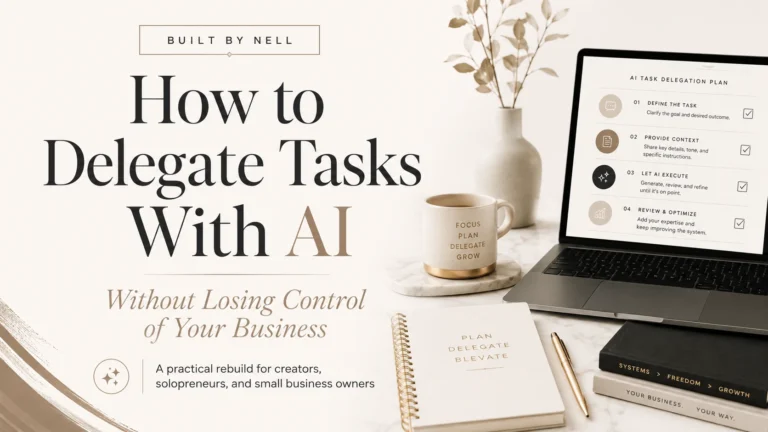
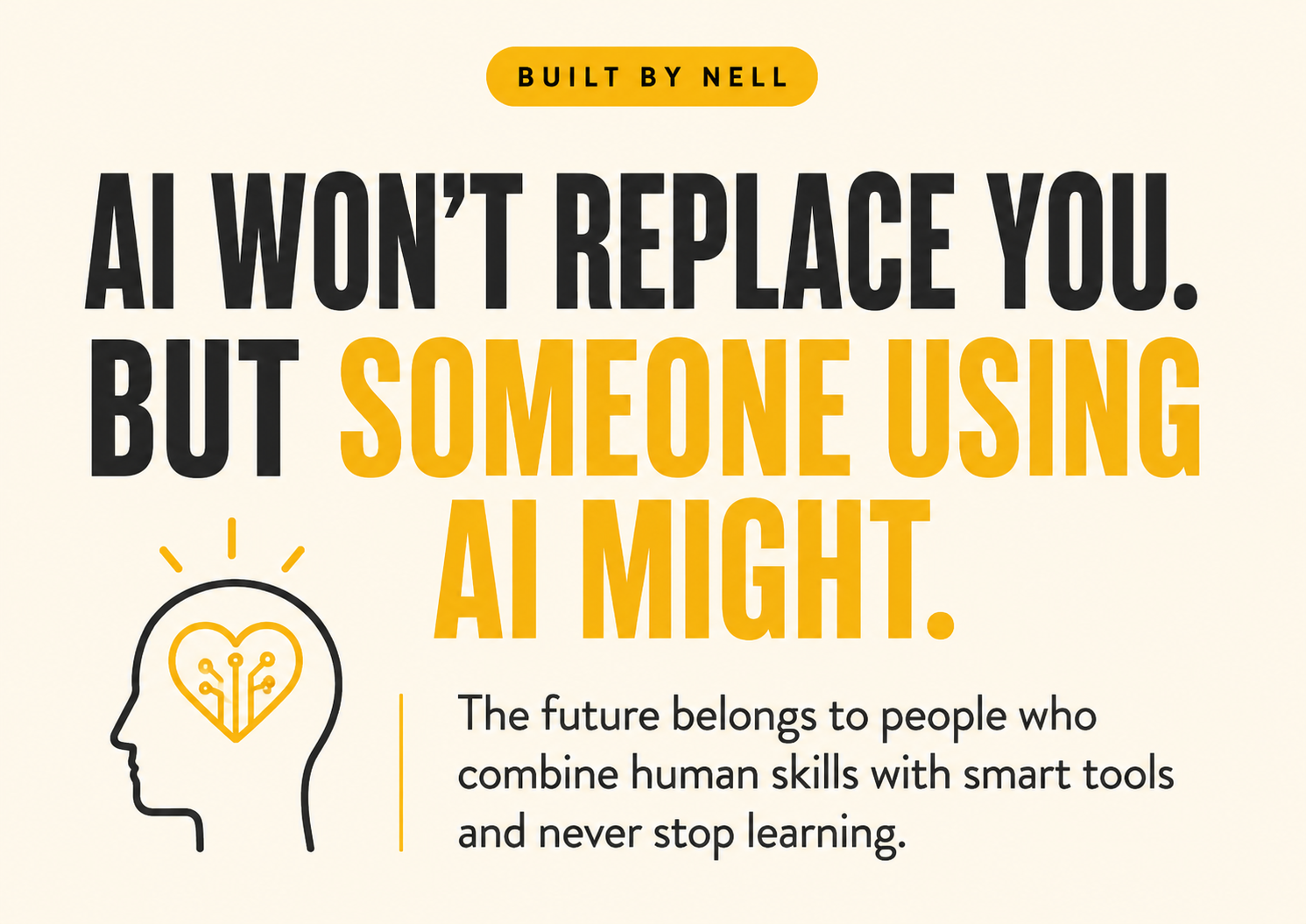
Start using the tools that are relevant to your role, even in small ways, and let that use be visible rather than invisible. Doing the work faster because of AI doesn’t help your career if nobody ever sees the difference.
Keep building the human skills that are becoming more valuable, not less: judgment, communication, the ability to lead a room or a project. Those are exactly the skills the PwC data shows are being demanded more, not less, in AI-exposed roles.
Don’t wait for your company to formally introduce AI training before you start learning. By the time that rollout happens, plenty of your peers will already be ahead of it.
And keep your own career documentation current: your resume, your list of measurable wins, your network. Not because you’re planning to leave tomorrow, but because “manage your career like a business” has always been true, and it’s more true now.
Here’s the shift in plain terms:
Old rules: be competent. Be reliable. Complete your tasks.
New rules: be adaptable. Use AI strategically. Show measurable impact. Strengthen your human judgment and communication.
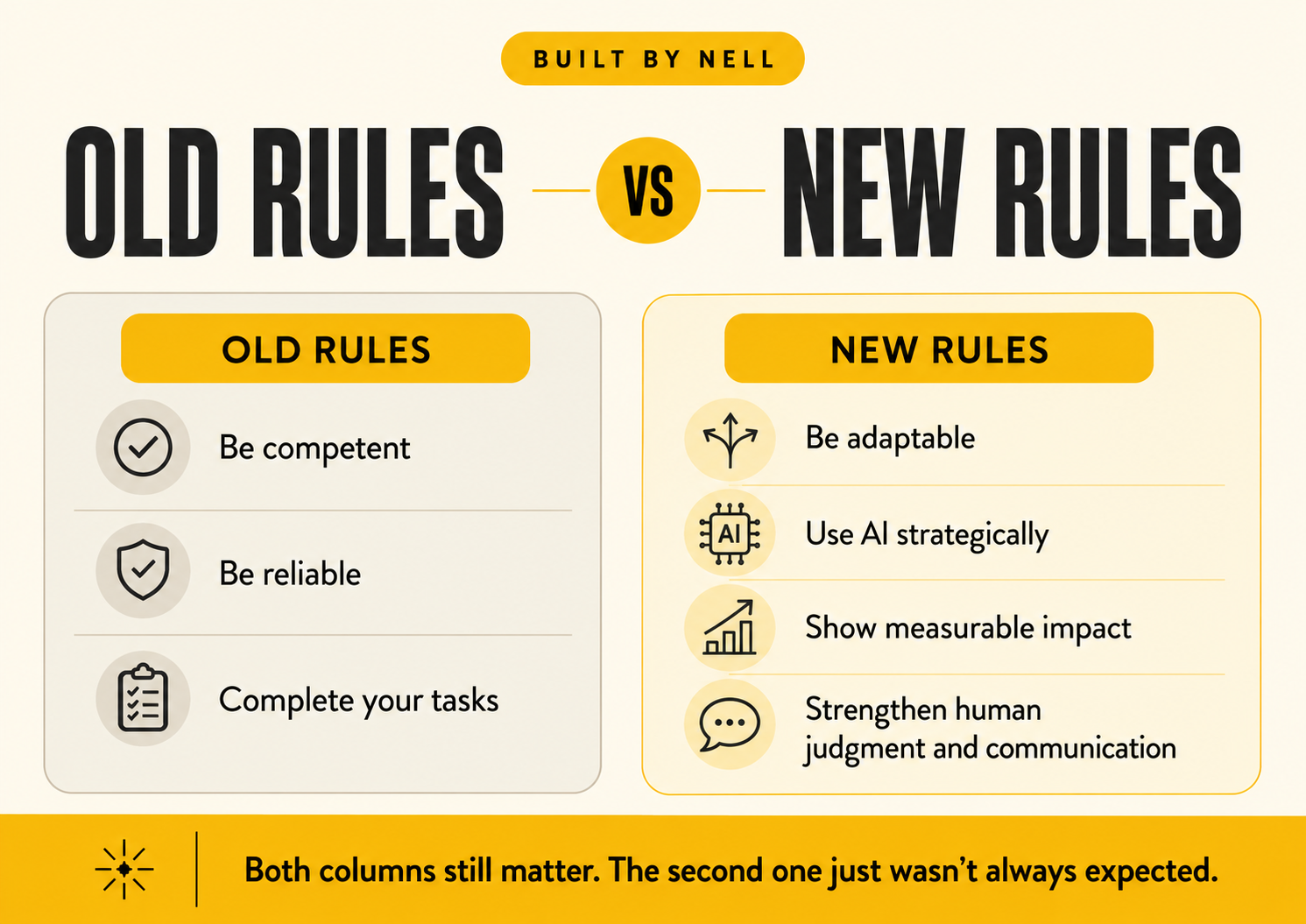
Both columns still matter. The second one just wasn’t always expected.
Where This Is Headed
That layoff is also why I stopped looking at AI as something to fear and started treating it like a business partner. It hasn’t replaced my work. It has helped me do work that once would have required a much larger team, building content, offers, and income streams that don’t depend on one employer deciding my worth.
I’m not going to pretend that’s a finished story. It’s an ongoing one, and I’m building it in public. But it’s the honest answer to what you actually do once you understand this shift instead of just fearing it.
If you’re in that same place, less worried about whether AI takes your job and more curious how to use it to build something of your own, that’s exactly what the AI Content & Income Strategy Intensive is built for. It’s a personalized strategy session, not a stack of generic prompts, built around your actual content, skills, and income goals. Learn more and book your session →
FAQ Section
Will AI replace my job?
For most people, not entirely and not immediately. AI is more often changing how much work one person is expected to cover, which roles get backfilled, and what “valuable” looks like, rather than replacing a job outright.
How is AI changing job security?
AI is influencing staffing decisions, workload distribution, and performance expectations. Companies are citing AI as one factor, not the only one, in restructuring and layoff decisions, according to tracking from Challenger, Gray & Christmas.
What skills matter most as AI changes the workplace?
According to PwC’s 2026 Global AI Jobs Barometer, roles most exposed to AI increasingly require human skills like leadership, creativity, and communication, on top of baseline competence in your role.
How can I prepare for AI at work without becoming a tech expert?
Start using relevant AI tools in visible ways, keep sharpening human skills like judgment and communication, and don’t wait for official company training to begin learning.
How do I stay valuable at work as expectations shift?
Treat your career like something you actively manage: stay visible in how you use new tools, keep your accomplishments documented, and build skills that AI still can’t replicate.
Sources Referenced
- Challenger, Gray & Christmas, Inc., Job Cut Announcement Report, June 2026: challengergray.com
- Reuters, via CNBC, on Oracle’s fiscal 2026 workforce decline: cnbc.com
- PwC, 2026 Global AI Jobs Barometer: pwc.com